

Accounting systems / September 2026
Which accounting software is best for your business in Ethiopia?
Peachtree (Sage 50), QuickBooks, and Odoo compared on how they are actually used here: what auditors expect to see, where bank integration falls short, and which one fits which kind of operation.
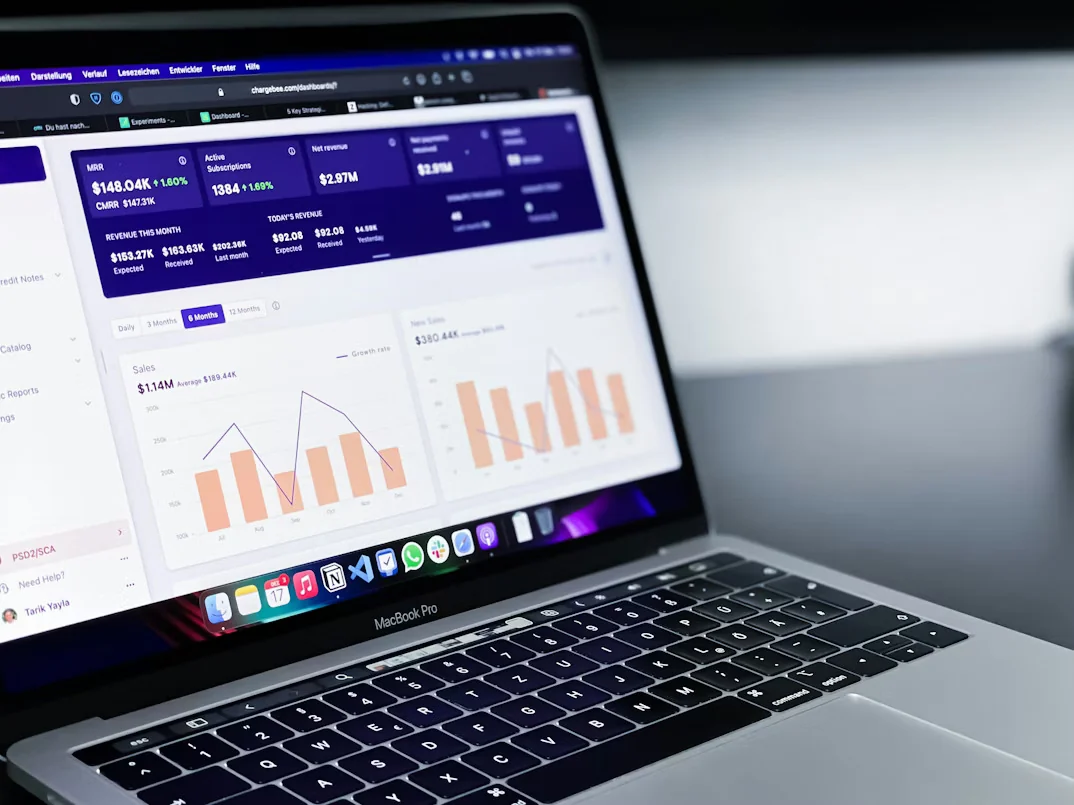
Choosing accounting software in Ethiopia is not a purely technical decision. Alongside features, the choice has to account for reporting practice, what auditors expect to see, how familiar the available workforce is with a system, and how reliable connectivity is.
Three systems dominate in practice: Peachtree (Sage 50), QuickBooks, and Odoo. Each suits a different kind of organization, and none of them is the right answer for everyone.
Peachtree (Sage 50): the familiar default
Peachtree has been in active use here for more than a decade and is the system accountants, auditors, and tax consultants recognize immediately. For many small and medium businesses it functions as the reference point for bookkeeping and reporting.
Why it stays dominant
Familiarity, more than technical superiority. Most accountants are trained on it early, finance teams can operate it without retraining, and it works offline, which matters where connectivity is inconsistent.
Where it works well
The general ledger structure is solid, and inventory tracking, job costing, and basic statements are handled predictably. Manufacturing, construction, trading, and NGO users benefit from that stability, and auditors generally accept Peachtree records where supporting schedules and reconciliations are maintained.
Where it falls short
It does not align naturally with local tax and reporting requirements. On its own it gives limited support for VAT and withholding tax tracking, payroll tax adjustments, and statement formats reviewers expect. In practice it is supplemented with substantial spreadsheet work: trial balances exported, computations done outside the system, then submissions prepared separately.
Peachtree suits organizations that value stability and staff familiarity, and that have experienced accounting staff comfortable closing the gaps with supporting tools.
QuickBooks: better for service-led operations
QuickBooks is increasingly chosen by service and professional firms that want visibility and speed without the weight of a full ERP.
Strengths that matter locally
It is significantly easier to use. Non-accountants can navigate invoices, expenses, and reports with little training, and the reporting gives clearer visibility of profitability and cash position. For organizations working across locations, cloud access is a real advantage.
The structural limitation
Integration with local banks is not available, so the automatic bank feeds that make QuickBooks efficient elsewhere do not apply. Uploads and reconciliations stay manual. That reduces the efficiency gain without removing the case for the system.
Who it fits
Environments with limited inventory and manageable tax complexity: consultancies, clinics, logistics operators, and technology firms.
Odoo: for integrated, multi-site operations
Odoo is a different category. It is an ERP platform that connects finance with operations, supply chain, HR, and sales. Locally, many organizations adopt only the accounting module, which is where its value is least visible.
What integration buys
Inventory movements, production orders, payroll, and sales can feed accounting automatically, reducing manual entry and inconsistency. For large or multi-branch organizations that improves both control and reporting accuracy.
What it costs
Setup, customization, training, and ongoing technical support. It also requires internal discipline to keep configured correctly. For a small business with straightforward accounting, Odoo is usually unnecessary, and a poorly implemented deployment ends up underused.
Choosing between them
The decision should follow operational reality rather than software popularity. The questions worth answering first:
- What reporting and recurring tax obligations does the organization carry?
- How complex is inventory, costing, or project accounting?
- Is remote or multi-site access necessary?
- How experienced are the people who will operate it daily?
- What integration will be needed in three years?
In short
- Peachtree remains dominant because it is familiar and accepted.
- QuickBooks suits organizations that value flexibility and visibility.
- Odoo earns its cost where integration and scale genuinely apply.
Accounting software is a tool, not a transformation. The implementations that succeed are the ones matched to how the business operates and to the capacity of the people running it.
Deciding on a system?
Apex can assess your transaction volume and reporting needs before you commit to a platform.